
Summary:
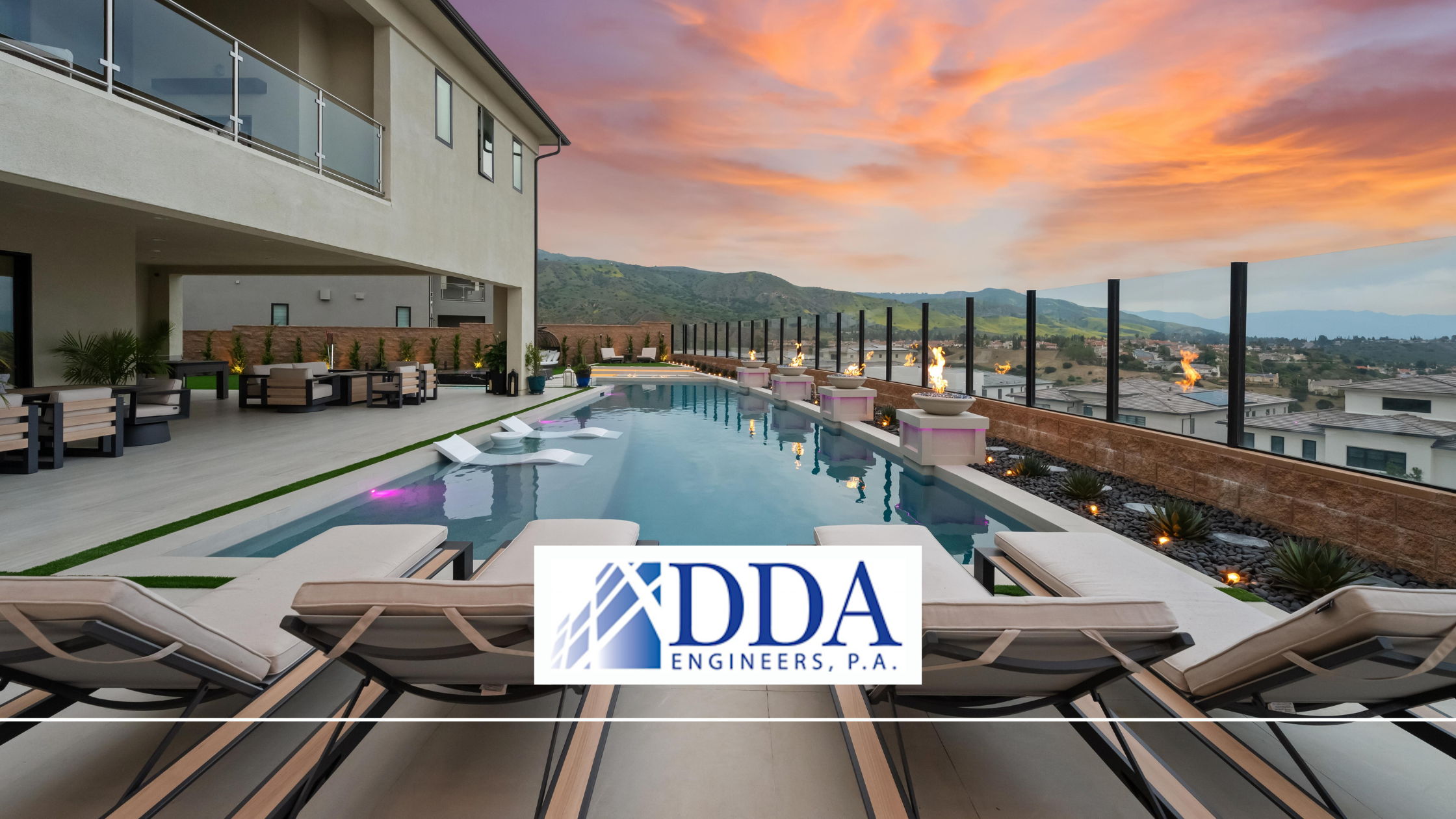
Rooftop pools, bars, and gardens can transform underused roof space into high-value amenities, but they add concentrated structural loads and complex water management demands. Engineers evaluate existing buildings or design new structures to support water, soil, equipment, and occupant loads while maintaining code compliance and serviceability. Proper waterproofing, drainage, and access planning protect the occupied spaces below, especially in Florida’s wet, windy climate.
A quiet slab of concrete can turn into the most popular “floor” of a building. Add water, palms, turf, lighting, and suddenly the roof becomes a revenue engine and a marketing hook. To reach that point, the structure underneath needs planning that respects both gravity and Florida’s climate.
How Rooftop Amenities Change the Load Game
Rooftop pools, bars, and gardens introduce concentrated loads where the original design may have allowed only for mechanical equipment and basic maintenance traffic. Water alone is dense, and a pool can hold thousands of gallons within a single footprint. Add decking, cabanas, planters, furniture, guests, and hidden support framing, and demand on columns, beams, and foundations increases rapidly.
Engineers study how those loads flow through the building. They review original drawings, evaluate concrete strength, rebar layout, and column locations, then decide whether to thicken slabs, add beams, or introduce new support lines. For new buildings, they size the structure from day one with these amenities in mind, so the rooftop oasis feels effortless for users and profitable for the owner.
Water on the Roof: Containment, Drainage, and Durability
With pools, planters, and irrigation, the roof becomes a managed water system. Engineers and waterproofing consultants coordinate sloped surfaces, drain locations, and overflow paths so storms and splashes do not linger where they can seep into units below.
In Florida’s intense sun and frequent rain, membranes, expansion joints, and protection boards matter as much as the tile pattern around the bar. Best practice includes multi-layer waterproofing, redundant drains, and clear routes for inspection and maintenance access, so minor issues stay visible and fixable.
Safety, Access, and Efficient Operations
A high-amenity roof still needs to prioritize safety. Guardrails, parapets, and barriers protect guests near pool edges and drop-offs. Engineers plan clear access paths for staff, emergency responders, and maintenance crews. They coordinate with mechanical and electrical teams so equipment screens, lighting, and shade structures attach to framing designed to carry their loads and Florida wind pressures.
When everything aligns, the rooftop becomes an asset that operates smoothly season after season, with predictable maintenance and fewer surprises for ownership.
Turn Your Roof Into an Asset
Ready to turn your big ideas into a reality? DDA Engineers, P.A. brings decades of Florida experience in Structural Engineering, Inspection Services, and Peer Reviews. The team believes every structure draws its reliability from the people who support it, from design through ongoing assessment. Call (305) 666-0711 to talk about your next rooftop project.
FAQ: Engineering for Rooftop Amenities
Can any existing building support a rooftop pool or garden?
Many existing buildings need reinforcement before they can safely support a pool, bar, or extensive planting. A licensed structural engineer should review original drawings, inspect the roof, and provide a load study.
Do rooftop gardens increase the risk of leaks?
They can, if the design lacks proper layers and detailing. Regular inspection access, clean drain paths, and quality control during construction greatly reduce leak risk over the life of the building.
When should an engineer join the design of a rooftop amenity?
Bring the structural engineer into the concept phase. Early coordination allows the team to set load allowances, choose amenity locations that align with existing supports, and reserve space for equipment, access routes, and safety systems. This approach typically leads to more efficient construction and smoother approvals.

DDA Engineers, P.A.
Latest posts by DDA Engineers, P.A. (see all)
- Foundation Design Challenges in South Florida’s Limestone Terrain - April 14, 2026
