
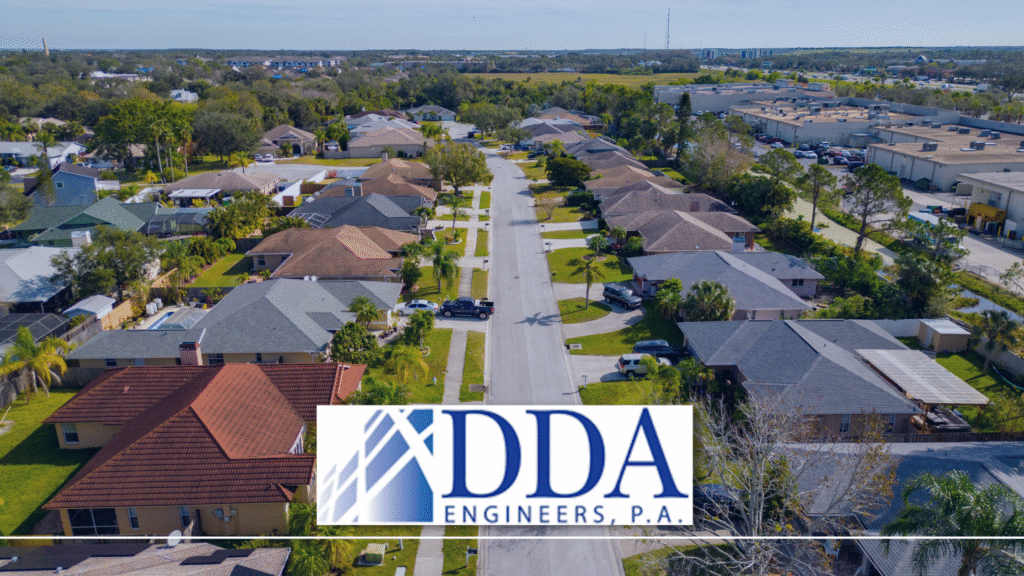
Florida builds with the forecast in mind. This isn’t a metaphor—it’s a fact. Rising tides, stronger hurricanes, and unpredictable rainfall are frequent threats. In a state where the coastline isn’t just scenic but central to life and commerce, infrastructure has to go beyond functioning and endure.
Designing for Sea-Level Rise
The first rule: get above it. New construction in coastal zones is moving upward—literally. Higher building foundations aren’t optional anymore. Codes require them. This elevation buffers against surge and encroaching sea levels, giving buildings the advantage of vertical distance.
For existing structures, the upgrades are surgical. Floodproofing techniques include elevating electrical systems, adding watertight barriers at ground level, and reinforcing walls against intrusion. It’s not about bracing for a single storm. It’s about staying dry year after year.
Coastal defense follows suit. Reinforced seawalls and bulkheads now anchor deeper and use corrosion-resistant materials. However, not every fix is concrete. Living shorelines, like mangroves, oyster reefs, and native grasses, absorb wave energy while supporting ecosystems. Natural and engineered barriers aren’t opposites. They’re partners.
Adapting to Increased Hurricane Intensity
Building codes are starting to reflect more rainfall and higher wind speeds. Structures in hurricane zones rely on impact-rated glass, wind-resistant roofs, and reinforced connections that resist uplift and lateral force. This isn’t about checking a box; it’s structural survival.
The grid also has to hold. Power lines, where possible, are being routed underground. Substations are fortified or elevated to keep them above stormwater. No one wants to lose power in a heatwave or during evacuation. Infrastructure should be invisible when it works. But in a crisis, it better not fail.
Hospitals, fire stations, and shelters are being redesigned with backup systems that can run for days. Their communications, water supply, and access roads are fortified too. During a storm, these are lifelines.
Building for Other Climate Variables
Flooding gets headlines, but drought loiters in the background. Aquifer management now includes recharge strategies and more efficient water storage. Engineers use advanced modeling to identify saltwater intrusion risks, especially along the coast. Desalination and wastewater reuse are frontline tactics.
Erosion is no longer seasonal—it’s constant. Engineers track sand movement, deploy sediment traps, and replenish beaches to protect property and maintain storm buffers. Without consistent intervention, Florida’s famous shoreline would shift faster than maps could catch up.
Resilience in Long-Term Planning
There’s a cost to doing nothing. Roads flood, power goes out, and emergency response slows. Every hour lost has an economic price. Florida’s infrastructure requires continuity. Trade, tourism, and local economies rely on uninterrupted operation. Investing in durability saves more than it spends.
Good design also means fewer vulnerabilities. Redundant systems keep essential services online. Elevated roads stay passable. If a storm hits, people get out faster and safer.
Future-proofing is planning for things that might not happen. Structures can be built to accommodate future retrofits: higher barriers, more powerful pumps, expanded drainage. That flexibility costs less when it’s part of the original design.
Ultimately, it’s about people. Infrastructure isn’t just concrete and steel. Structures are only as strong as the people who support it. Resilience defines Floridians and how our economy continues to run.
For decades, DDA Engineers, P.A. has worked alongside developers, municipalities, and architects to build for the future and the present. If you’re designing infrastructure in Florida, resilience isn’t optional. Let’s build something that lasts. Call us at (305) 666-0711.

DDA Engineers, P.A.
Latest posts by DDA Engineers, P.A. (see all)
- Foundation Design Challenges in South Florida’s Limestone Terrain - April 14, 2026
