

Walk through downtown Miami after a major storm, and what you don’t see is just as important as what you do. No collapsed towers. No shattered glass raining down. Just buildings that endured. The reason? Engineering that anticipates punishment. Florida’s concrete skyline doesn’t stand tall by accident. It’s the result of decades of refinement and trial by hurricane. Other high-risk regions have been running their own Read More
Engineering for Climate Change Adaptation and Resilient Infrastructure in Florida

Florida builds with the forecast in mind. This isn’t a metaphor—it’s a fact. Rising tides, stronger hurricanes, and unpredictable rainfall are frequent threats. In a state where the coastline isn’t just scenic but central to life and commerce, infrastructure has to go beyond functioning and endure. Designing for Sea-Level Rise The first rule: get above it. New construction in coastal zones is moving Read More
What to Expect During a Post-Hurricane Structural Assessment in Florida

Hurricanes seem to be getting worse every year, leaving debris in their wake. As they tear through coastal communities, they test every connection, foundation, and load-bearing element of a building. While some damage is obvious, like a missing roof section or shattered windows, other structural issues can be more subtle but just as serious. A building that looks intact at first glance might be hiding dangerous Read More
Retrofitting Older Buildings to Meet Modern Standards

Not every building was designed with the demands of today in mind. Many structures built decades ago lack the strength, efficiency, or resilience expected under current building codes. But demolition isn’t always the answer. With careful engineering, older buildings can be reinforced, upgraded, and modernized to meet today’s standards and stand strong for years to come. Assessing the Existing Structure Before any Read More
Wind Load Analysis for High-Rise Buildings in Florida

High-rise buildings are extraordinary feats of engineering, rising hundreds—or even thousands—of feet into the sky. However, these towering structures face unique challenges. In regions like Florida, with its coastal location and susceptibility to hurricanes, rigorous wind load analysis is a cornerstone of structural engineering. What is Wind Load? Wind load refers to the pressure and forces exerted by moving air on Read More
Top 5 Common Issues Found in Structural Engineering Peer Reviews

Structural engineering designs must balance precision and practicality. Yet, even the most skilled professionals occasionally overlook critical details. Peer reviews uncover these oversights, ensuring designs meet safety, efficiency, and regulatory benchmarks. Here are five of the most frequent issues identified during structural engineering peer reviews. Incomplete or Incorrect Load Path Analysis A building’s Read More
Florida’s Unique Coastal Building Requirements

Constructing on Florida’s coast is not for the faint of heart. With hurricanes, saltwater exposure, and flood risks, every new build must rise to meet rigorous standards. Florida’s Building Code (FBC) sets requirements, creating a blueprint for safety, transforming harsh coastal conditions into challenges that inspire resilient, durable structures. From high-velocity wind resistance to corrosion prevention, here’s Read More
Engineering Inspections Protect Against Sinkholes
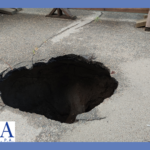
Sinkholes are one of the most unpredictable and destructive natural threats that property owners face, especially in Florida. These geological events often occur without warning, swallowing homes, roads, and even entire neighborhoods. While sinkholes are a fact of life in certain regions, they are not inevitable disasters. Regular engineering inspections play a major role in identifying potential sinkhole activity Read More
Finding the Right Peer Review Team

We’ve long believed that a structure is only as strong as the people that support it. That’s why peer review is such an important part of engineering. It can make the difference between a project that thrives in challenging environments and one that faces costly setbacks. Not all engineers are qualified to conduct peer reviews. In Florida, where unique environmental factors like hurricanes and high humidity are Read More
How Materials Are Tested and Selected

Every building constructed relies on a series of checks and balances to ensure the integrity and longevity of a project. This often heavily depends on the materials used. Each material—whether concrete, steel, soil, masonry, or wood—must meet stringent standards to ensure it can withstand the demands of the environment in which it will be placed. This is where material testing and selection come into play, acting as Read More
